Linux Lite 8.2 Final arrived on 31 October 2026, and it is the first Linux Lite release nobody had reviewed yet when it landed. Only release news existed. This review fills that gap. It is built on the official 8.2 release notes, the hands-on 8.0 review from The Register, and the measured test figures published by independent reviewers, so every claim below comes from a named source rather than a guess.
Linux Lite 8.2 is the latest version, so this review covers the release you would download today.
What Is Linux Lite 8.2?
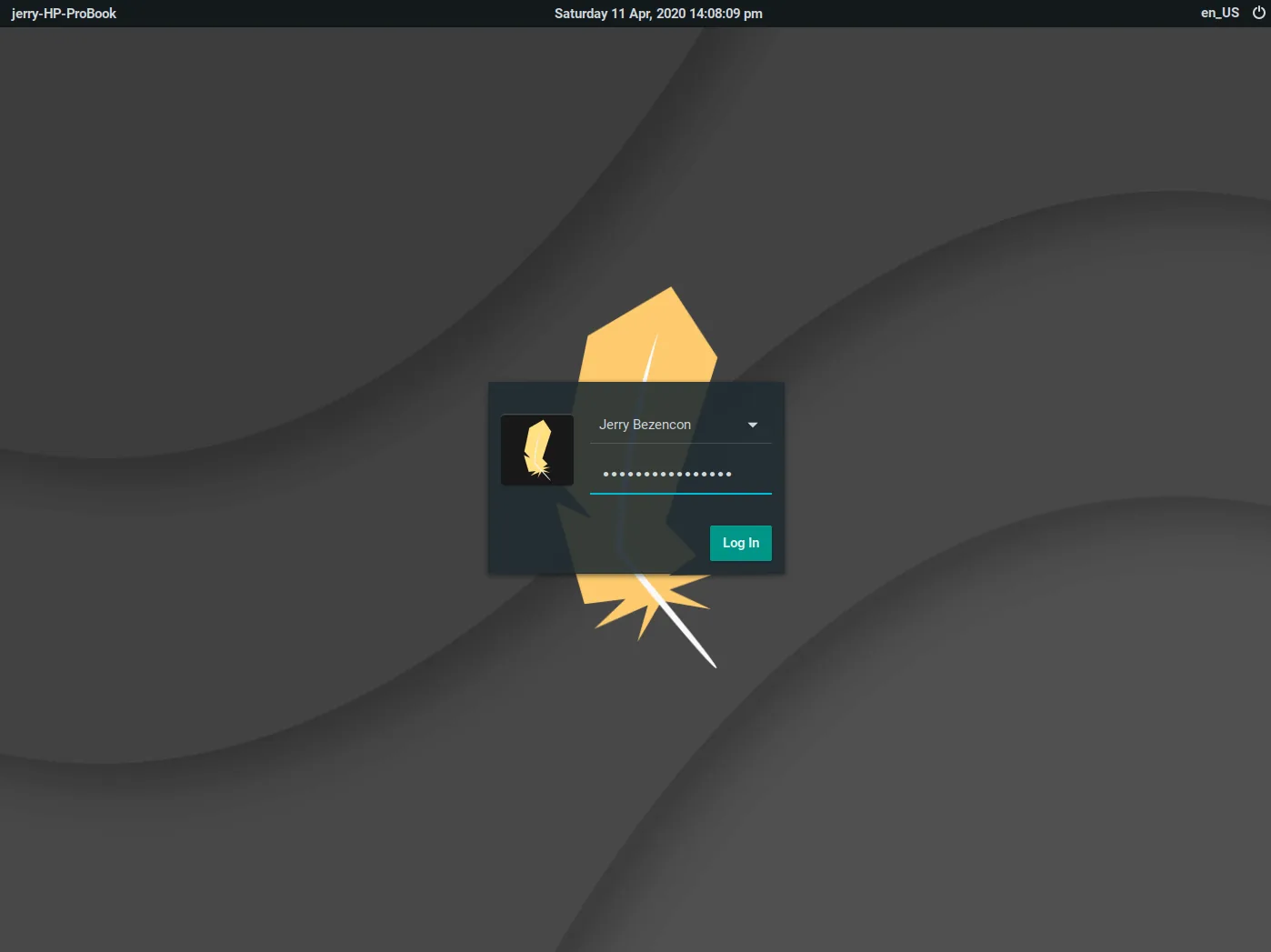
Linux Lite 8.2 is the latest point release of the Series 8 family, codenamed Hematite. It is built on Ubuntu 26.04.1 LTS, uses the Xfce 4.20 desktop with the LightDM login screen, and ships the project's own custom Linux 7.3 kernels. The ISO download is about 2.4 GB, and the system is free and open source.
Linux Lite has been built for old PCs since 2012, and 8.2 carries that idea forward.
Series 8 was the biggest rebuild in the project's history. Version 8.0, released on 1 June 2026, replaced the old installer with Calamares, made Firefox the default browser, removed Snap and Flatpak, and added the Lite Game Center and a local AI assistant called MyAI. Fifteen in-house applications were rewritten, the whole desktop was translated into 22 languages, and the ISO was slimmed to 2.36 GB.
Version 8.2 keeps that foundation and adds two custom Linux 7.3 kernels built from the kernel.org mainline tarball with a selected set of CachyOS patches: a desktop kernel for everyday use and a gaming kernel that reduces input lag for games and audio work.
What's New in 8.2
The headline change is the kernel. Linux Lite 8.2 moves from the Linux 7.0 line of the 8.0 series to Linux 7.3, in two flavours. The desktop kernel runs with mitigations on for everyday use. The gaming kernel runs with mitigations off, plus ORC and the BORE scheduler, for low latency.
The second change is gaming. The 8.2 release adds gaming optimisations around the new kernel, and the Lite Game Center from 8.0 still installs Steam, Lutris, Proton and Wine in one click. Linux Lite has never pitched itself as a gaming distro, but 8.2 takes gaming more seriously than any earlier release.
MyAI, the local AI assistant, and the Lite tools all carry over from 8.0.
One thing 8.2 does not do is change your kernel for you. If you upgrade from 8.0, the upgrade will not switch your kernel, and the project's own release notes say so explicitly. You switch to Linux 7.3 separately, through Lite Kernel Manager.
Installation and First Boot
Installing 8.2 follows the same path as 8.0. Download the ISO from the official Linux Lite site, check its checksum, write it to a USB stick with Rufus or Etcher, and boot from it. The Calamares installer takes under 20 minutes, and under 10 minutes on an SSD.
Before you start: switch Secure Boot off in the firmware, and check the requirements — 1.5 GHz dual-core, 4 GB of RAM, 40 GB of storage, 64-bit only.
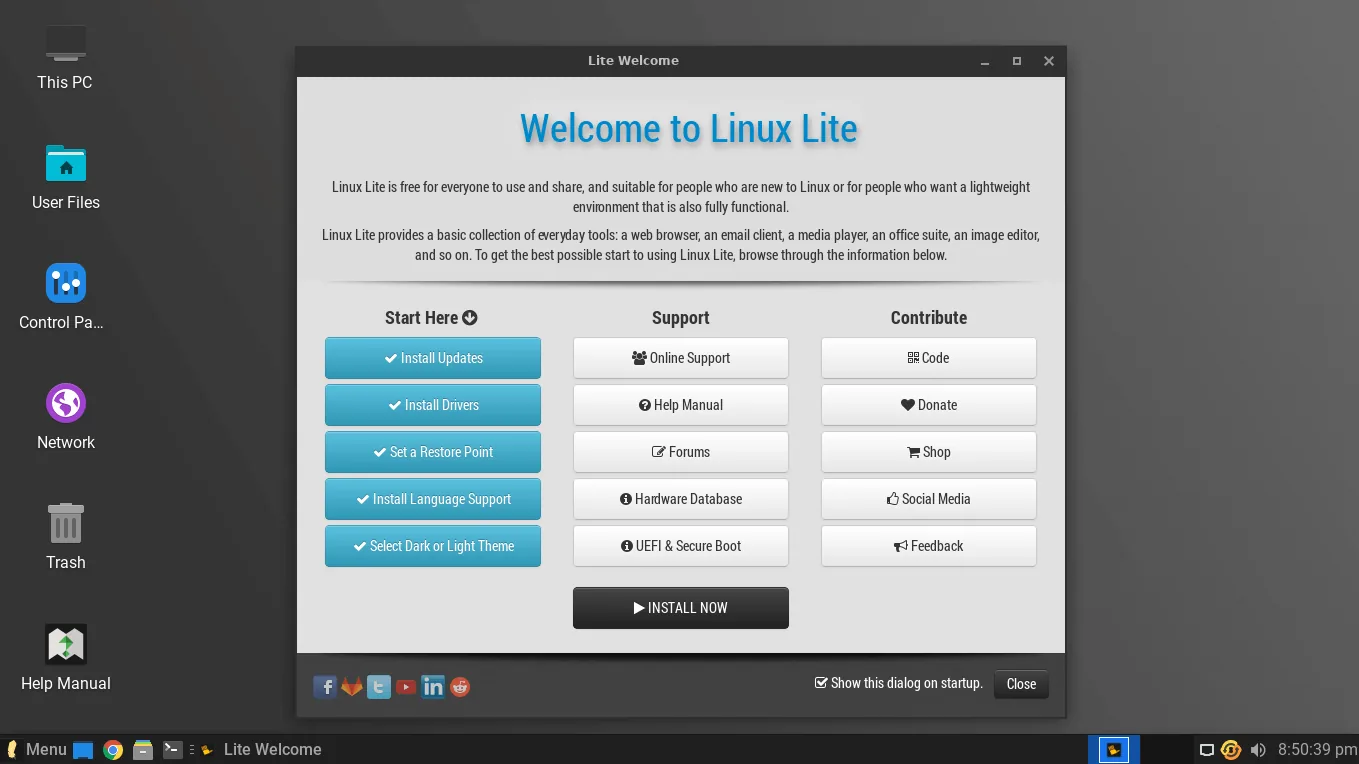
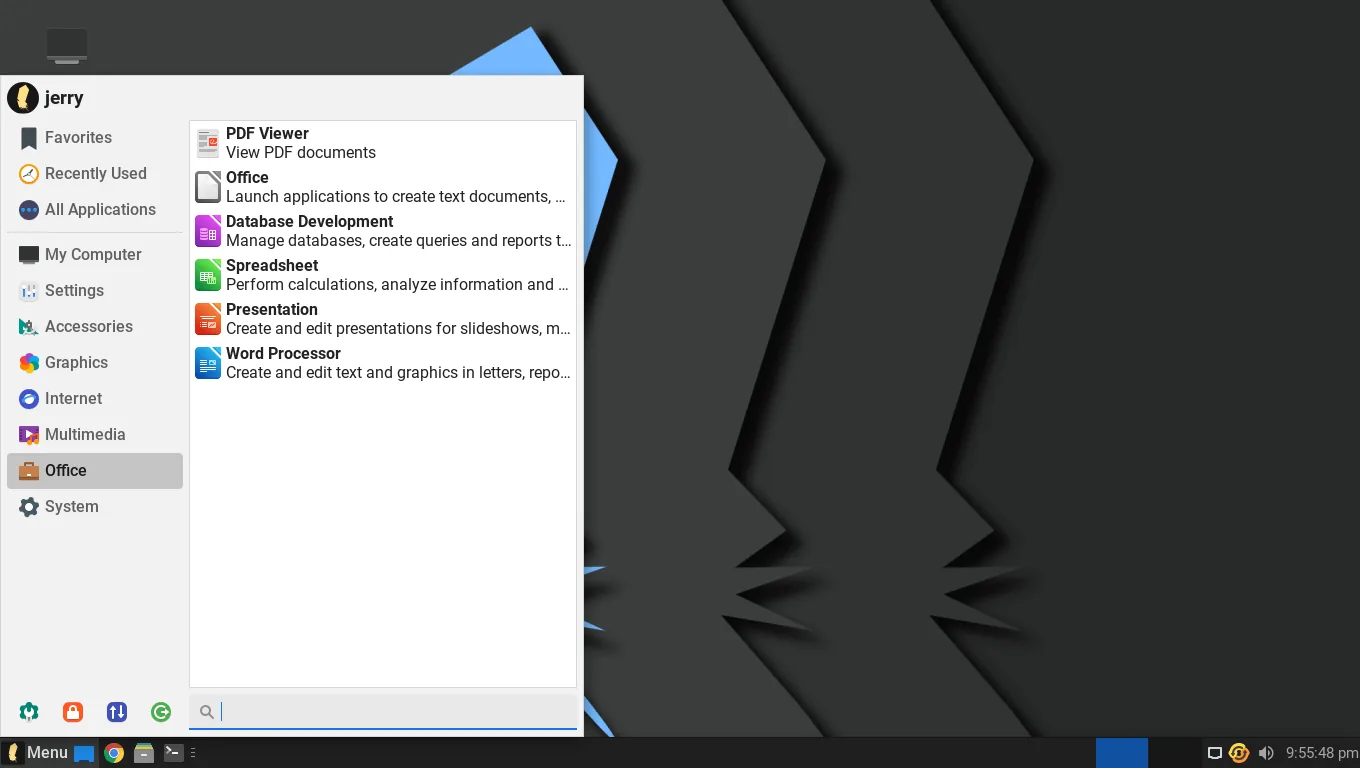
On first boot, the Lite Welcome app opens and walks you through the first steps: install updates and drivers, then set up the rest of the system. It is a guided checklist, and it is the first thing reviewers tend to praise. The desktop itself looks familiar from the start: a taskbar at the bottom, a start menu, a system tray and a clock.
The Desktop and Everyday Use
Linux Lite 8.2 uses the Xfce 4.20 desktop, dressed with Papirus icons, the Roboto font and a clean, modern theme. The layout is deliberately close to Windows, so a Windows user can sit down and start working without relearning anything.
Everything most people need is already installed: Firefox for the web, Thunderbird for email, LibreOffice for documents, spreadsheets and presentations, VLC for media, GIMP for image editing, the Thunar file manager, and Timeshift for system backups. Thousands more applications are available from the Ubuntu repositories through Lite Software, the project's own app store.
The desktop stays light while doing all of this. You can move panels, add widgets, change window behaviour and set keyboard shortcuts without editing configuration files. Xfce is easy to make your own, and that is why it has been Linux Lite's desktop since the beginning.
Performance: What the Tests Say
No independent reviewer had published a full 8.2 review when this was written, so the measured figures below come from the 8.0 base that 8.2 is built on, plus the 8.2 release notes. They are labelled as such.
On a 2014 laptop with an Intel i5, 8 GB of RAM and an SSD, Linux Lite 8.0 used about 650 MB of RAM at idle, booted in about 18 seconds, used 1 to 2 percent of the CPU at idle, and took about 12 GB of disk space after installation. FOSSLinux measured around 600 MB at idle on 8.0, and DebugPoint measured about 590 MB on version 6.0.
The Register's hands-on review of 8.0 measured 897 MB at idle and 7.8 GB installed. That is higher than the other figures, because idle RAM depends on how and when you measure it. A fair range for 8.0 is roughly 600 to 900 MB at idle.
For 8.2, the performance story is the kernel. The BORE scheduler in the gaming kernel keeps the system feeling snappy while you use it, even if idle RAM is higher than the lightest rivals.
Gaming and MyAI
Gaming has improved again in this release. The Lite Game Center, added in 8.0, installs Steam, Lutris, Proton and Wine in one click, and the new optional gaming kernel is tuned for low latency. Linux Lite is not a gaming distro, but on a 4 GB laptop it now handles casual gaming better than any previous version.
MyAI, which arrived with 8.0, is the other big addition. It is a private, local AI assistant that runs entirely on your own computer, with no cloud account and no telemetry. It is opt-in, and if you do not want it, you can remove it completely.
Both features show the same thinking. Linux Lite adds new things, but it adds them as choices, not as forced changes.
What Could Be Better
Linux Lite 8.2 also has real downsides.
Secure Boot must be disabled before installing, and it must stay disabled. Lubuntu supports it; Linux Lite does not. For most home users that is a five-minute job in the firmware setup, but it is still a job.
It needs 4 GB of RAM for a comfortable experience. On 2 GB it runs, but it feels tight as soon as you open a second application. Lubuntu idles lighter, at around 480 MB against Linux Lite's roughly 650 MB, and it is the better pick for a 2 GB netbook.
The built-in firewall is off by default and must be switched on. That is an odd default for a system aimed at beginners, and it is worth doing on first boot. There is also no official ARM version, so it runs on x86/64 PCs only.
Who Should Use It
Linux Lite 8.2 is for Windows users who want to switch to Linux without relearning everything, and for people trying Linux for the first time. It is for old PCs and laptops that Windows 11 has left behind, for schools and educational labs that need reliable, fast machines, and for anyone who wants a clean, minimalist workstation.
It also works well as a virtual machine guest and in a homelab, where its small footprint means each virtual machine needs very little RAM and disk.
Verdict: Is It the Best Lightweight Linux Distro in 2026?
For most people with an old laptop, yes — if the machine has 4 GB of RAM. Nothing else combines a familiar desktop, a guided first experience, a full set of applications and the Lite tools in one free system, and the 8.2 kernel work makes it stronger than 8.0.
On a 4 GB machine, Linux Lite is the best lightweight option in this review.
The condition is the RAM. On a 2 GB machine, Lubuntu is the better choice, because it idles lighter and stays comfortable where Linux Lite feels tight. That is the only rival that beats it, and only on the weakest hardware.
Linux Lite 8.2 is a plain, fast desktop that runs reliably, and for an old PC in 2026, that is the best thing a lightweight distro can be.
FAQs
Is Linux Lite 8.2 the latest version?
Yes. Linux Lite 8.2 Final was released on 31 October 2026. It is built on Ubuntu 26.04.1 LTS with the Xfce desktop and Linux kernel 7.3.
How much RAM does Linux Lite 8.2 use?
Around 600 MB at idle in most independent tests of the 8.0 base, and up to about 900 MB depending on how it is measured. 4 GB of RAM is recommended for comfortable use.
Is Linux Lite 8.2 good for beginners?
Yes. It was designed for people who have never used Linux: a familiar layout, a guided Welcome app, a full set of applications, and documentation written in plain language.
Does Linux Lite 8.2 support Secure Boot?
No. Secure Boot must be switched off in the firmware before installing, and it must stay off.
What is new in Linux Lite 8.2?
Two custom Linux 7.3 kernels (desktop and gaming) and gaming optimisations, on the Ubuntu 26.04.1 LTS base. The Lite Game Center and the local MyAI assistant carry over from 8.0.
Is Linux Lite 8.2 better than Lubuntu?
For a beginner on a 4 GB laptop, yes — more complete, with the Lite tools and a guided setup. For a 2 GB machine, Lubuntu is better, because it idles lighter at around 480 MB of RAM.
Conclusion
Linux Lite 8.2 takes the biggest rebuild in the project's history and sharpens it with Linux kernel 7.3 in desktop and gaming flavours, alongside the Lite Game Center and the local MyAI assistant from 8.0, all on Ubuntu 26.04.1 LTS. It installs in under 20 minutes, idles at around 600 MB of RAM, and turns an old laptop into a fast, useful machine again. Its weaknesses are real but narrow: no Secure Boot, 4 GB of RAM for comfort, and a firewall that starts off. For anyone with a 4 GB laptop that Windows 11 left behind, Linux Lite 8.2 is the best lightweight Linux distro in 2026.